

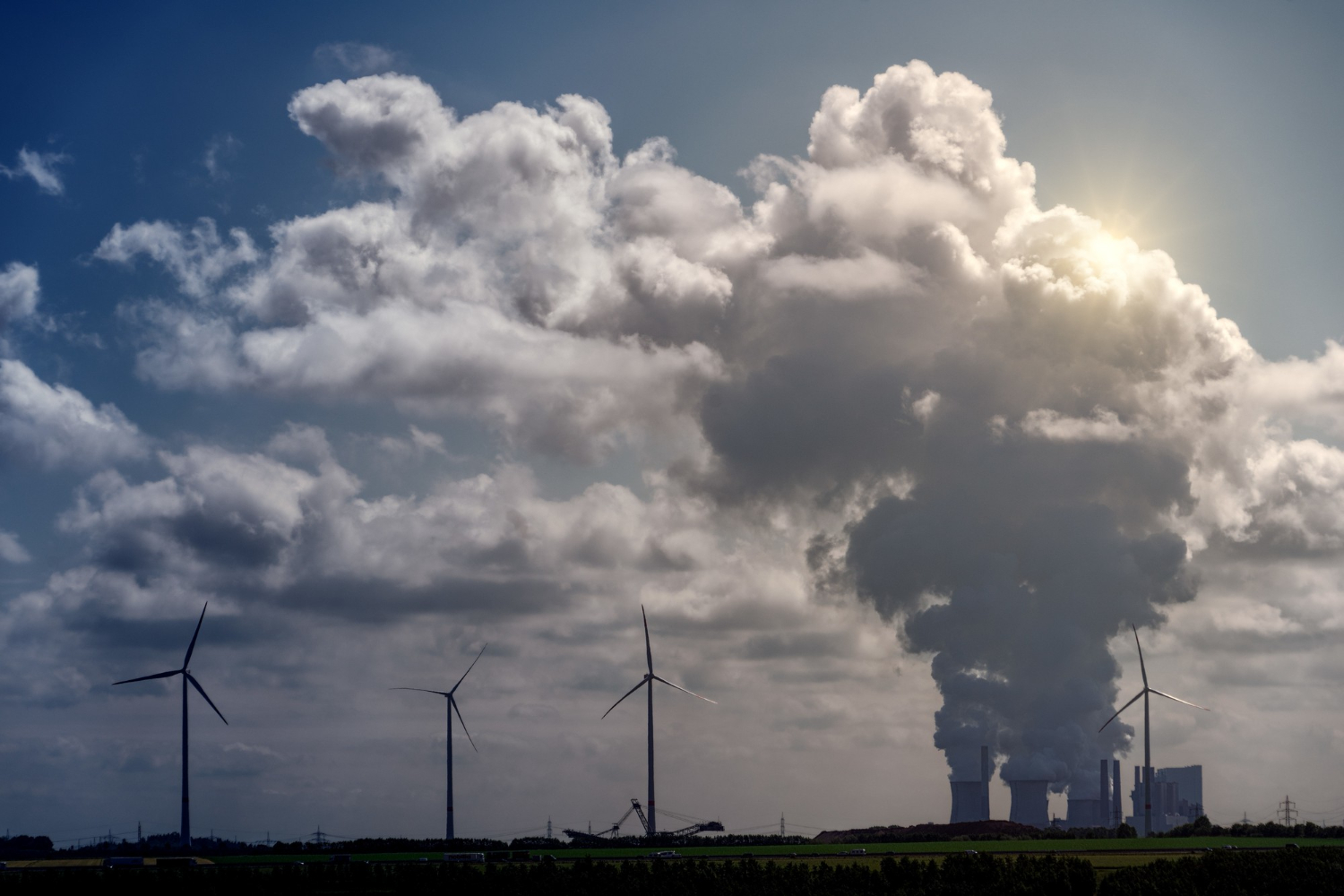

Rising carbon prices eating into profit margins
Carbon pricing mechanisms are expanding globally, making emissions increasingly expensive. The EU Emissions Trading System has seen carbon prices surge from around 20 euros per tonne in 2018 to over 80 euros in recent years. This dramatic increase directly impacts operating costs for carbon-intensive manufacturers, eroding profit margins and competitive positioning.
Regulatory penalties and compliance costs multiply
Governments worldwide are tightening environmental regulations at an unprecedented pace. Non-compliant businesses face substantial fines, mandatory retrofits and operational restrictions that disrupt production schedules. Industries that delay action find themselves scrambling to meet deadlines, often paying premium prices for rushed solutions.
Market access shrinking for high-carbon products
Global supply chains are increasingly screening suppliers based on carbon footprint. Major corporations like Apple, Microsoft and Unilever have committed to net-zero supply chains, effectively blocking high-emission suppliers from lucrative contracts. The European Union’s Carbon Border Adjustment Mechanism imposes tariffs on carbon-intensive imports, making products from non-decarbonizing regions less competitive. This trend creates a two-tier market where sustainable producers gain preferential access while carbon-heavy competitors face exclusion.
Investment capital fleeing carbon-intensive operations
Financial institutions are rapidly divesting from high-emission industries. Banks, pension funds, and asset managers controlling trillions in capital have adopted strict environmental criteria that exclude carbon-intensive businesses from funding portfolios. This capital flight manifests in higher borrowing costs, limited access to credit and lower valuations for companies perceived as climate laggards.
The following financial consequences impact long-term growth prospects:
- Increased interest rates on loans and bonds due to perceived climate risk
- Difficulty securing project financing for expansion or modernization initiatives
- Lower stock valuations as ESG-focused investors avoid carbon-intensive portfolios
- Reduced access to green bonds and sustainability-linked financing instruments
Talent drain toward sustainable employers
The workforce increasingly prioritizes environmental responsibility when choosing employers. Skilled professionals, particularly younger generations, actively seek companies with strong sustainability commitments. Carbon-intensive industries struggle to attract top talent, facing higher recruitment costs and increased turnover rates.
Technology gaps widening competitive disadvantage
Industries that postpone decarbonization miss critical windows for technology adoption and learning. Early movers gain operational experience with clean technologies, refine processes and build competitive advantages. A well-structured decarbonization process requires precise measurement and automation technology. Companies like Endress+Hauser, a global leader in process and laboratory measurement technology, provide the instruments and solutions needed to optimize energy consumption and track progress effectively.
Customer loyalty shifting to sustainable brands
Consumer preference for sustainable products is reshaping market dynamics across sectors. Brand reputation suffers when companies are perceived as environmental laggards, directly impacting sales and market share.
The following market shifts demonstrate changing consumer priorities:
- Premium pricing power for products with verified low-carbon credentials
- Growing consumer boycotts targeting brands with poor environmental records
- Retail partnerships favouring suppliers with transparent sustainability practices
- Social media amplification of corporate environmental performance or failures
Insurance costs rising for climate-exposed operations
Insurers are reassessing risk profiles for carbon-intensive facilities, resulting in higher premiums and reduced coverage options. Physical climate risks like floods and extreme weather disproportionately threaten facilities in carbon-heavy sectors. These escalating insurance costs represent another hidden drain on profitability.
The financial penalties of maintaining carbon-intensive operations are accelerating across multiple dimensions simultaneously. From direct carbon costs to market exclusion and talent challenges, industries that delay action face compounding disadvantages that become exponentially harder to overcome. The question is no longer whether to decarbonize but how quickly companies can transform before these costs erode their competitive position beyond recovery.
